

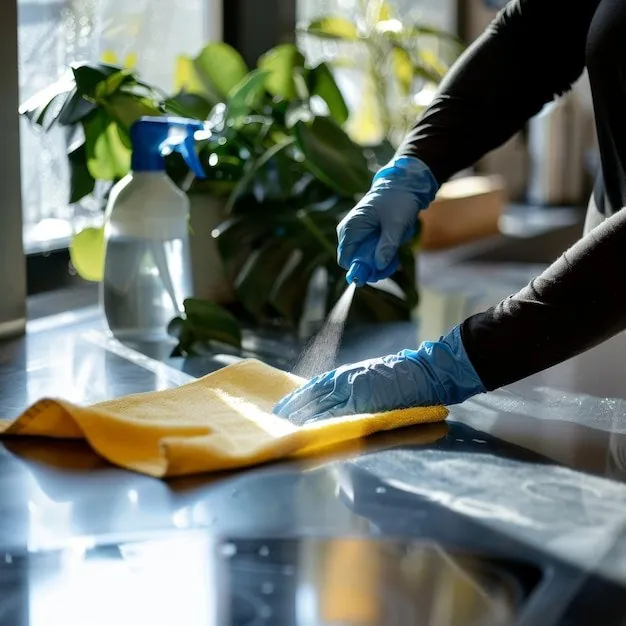
The kitchen sponge is used to clean almost everything, but it’s rarely cleaned itself. Warm, damp and full of food particles, a sponge is the perfect place for bacteria to grow. If yours has started to smell, it’s already overdue for attention.
Why sponges get so dirty
Every time you wipe a bench or wash a plate, small amounts of food and grease get trapped in the sponge’s pores. Left wet on the sink, it stays at room temperature for hours — ideal conditions for germs to multiply. Using a dirty sponge can simply spread bacteria from one surface to another.
Everyday habits
- Rinse the sponge thoroughly in hot water after each use.
- Squeeze out as much water as possible.
- Store it somewhere it can dry, such as a sponge holder or rack, rather than flat on the sink.
- Use a separate cloth for wiping up raw meat juices, and wash or replace it straight away.
How to clean a kitchen sponge
Dishwasher
Place the sponge in the top rack and run it through a hot cycle with a heated dry. This is one of the easiest ways to clean sponges regularly.
Boiling water
Drop the sponge into a pot of boiling water for five minutes, then carefully remove it with tongs and let it cool before squeezing it out.
Microwave
Soak the sponge so it is completely wet (never microwave a dry sponge), place it in a microwave-safe bowl with a little water and heat it on high for one to two minutes. Let it cool fully before handling. Don’t use this method for sponges with any metal fibres.
Vinegar soak
Soaking in white vinegar for several minutes helps freshen a sponge and reduce odours, then rinse it well. It’s a good in-between option, but heat is more effective for a deep clean.
How often should you replace it?
Even with regular cleaning, sponges break down and hold on to bacteria over time. As a general rule, replace your kitchen sponge every one to two weeks, or sooner if it smells, looks discoloured or starts falling apart. Old sponges can be moved to dirtier jobs like cleaning bins or outdoor furniture before you throw them away.
Better alternatives
Washable microfibre cloths and dish brushes dry faster than sponges and can be washed on a hot cycle in the washing machine. Many people use a brush for dishes and microfibre cloths for benches, keeping a fresh cloth out each day.
A cleaner kitchen overall
A clean sponge is a small part of a hygienic kitchen. Regularly cleaning benchtops, sinks, handles and appliances makes the biggest difference. If you’d like a hand, our team includes kitchen detailing in every house clean, and we follow the same hygiene standards in childcare and medical centre cleaning.